

For America’s 250th, we enlisted some of Alabama’s most compelling writers, educators, and historians to consider our founding history ... and explore how our past can inform our present. Use the button to read a flipbook version of the issue or scroll down for more.
Read onNote: Each of the features listed here open as individual PDFs, which can be viewed as two-page spreads. To read the magazine in full, explore the issue as a flipbook or read it as a downloadable PDF.
Opening column: From the executive director
AHA Executive Director Chuck Holmes considers the story of a revolution of another sorts in his column — a musical one that began at the Shoals.
Meet our 2026 Alabama Humanities Fellows
Profiles of our newest Alabama Humanities Fellows for 2025-2026: Bill Baxley, Kathryn Braund, Emmylou Harris, Ashley M. Jones, Will Kimbrough, Randy Owen, and Fred Wesley.
The future of the Florence Mound
An AHA-funded symposium sparks a conversation on caring for one of Alabama’s most sacred indigenous sites. With Anita Flanagan, Adriana Peeples, Isaac Cohen, Sarah Coleman, LaDonna Brown, and Brian Murphy.
Many Voices, One Nation
A pair of locally customized Smithsonian exhibits are helping connect Alabama’s stories to America’s.
Revolutionary travelers through Creek country
On William Bartram, Creek country, and the impact of America’s war for independence in the land that would become Alabama. By Kathryn H. Braund.
250 hits the road
How Alabama communities are using AHA’s Road Scholars Speakers Bureau to consider America at 250.
‘Between promise and fulfillment’
On memory, history, and the evolving meaning of America’s revolutionary founding document, the Declaration of Independence. By Brian Steele.
Healing history
A conversation between two Alabamians on how examining the past can help us build community in the present. By Donna Dahl and Andrea McCaskey.
For which we stand
How a Russellville teacher used her AHA Riley Scholarship to help students learn the rights and responsibilities of citizenship. By Phillip Jordan.
Silent heroes
How an educator and her students recovered the stories of a pair of World War II veterans from Alabama. By Callie Outlaw.
Colors
On patriotism, remembrance, and the daily work of citizenship, beyond 250. By Alan Miller.
2026 Grants Roundup
Through the mid-point of 2026, AHA had awarded 31 Mini Grants to support humanities-rich projects statewide. Meet our newest grantees.
At the soldier’s grave
A closing poem by Sam Calhoun, a Pushcart Prize-nominated poet, geoscientist, and nature photographer.
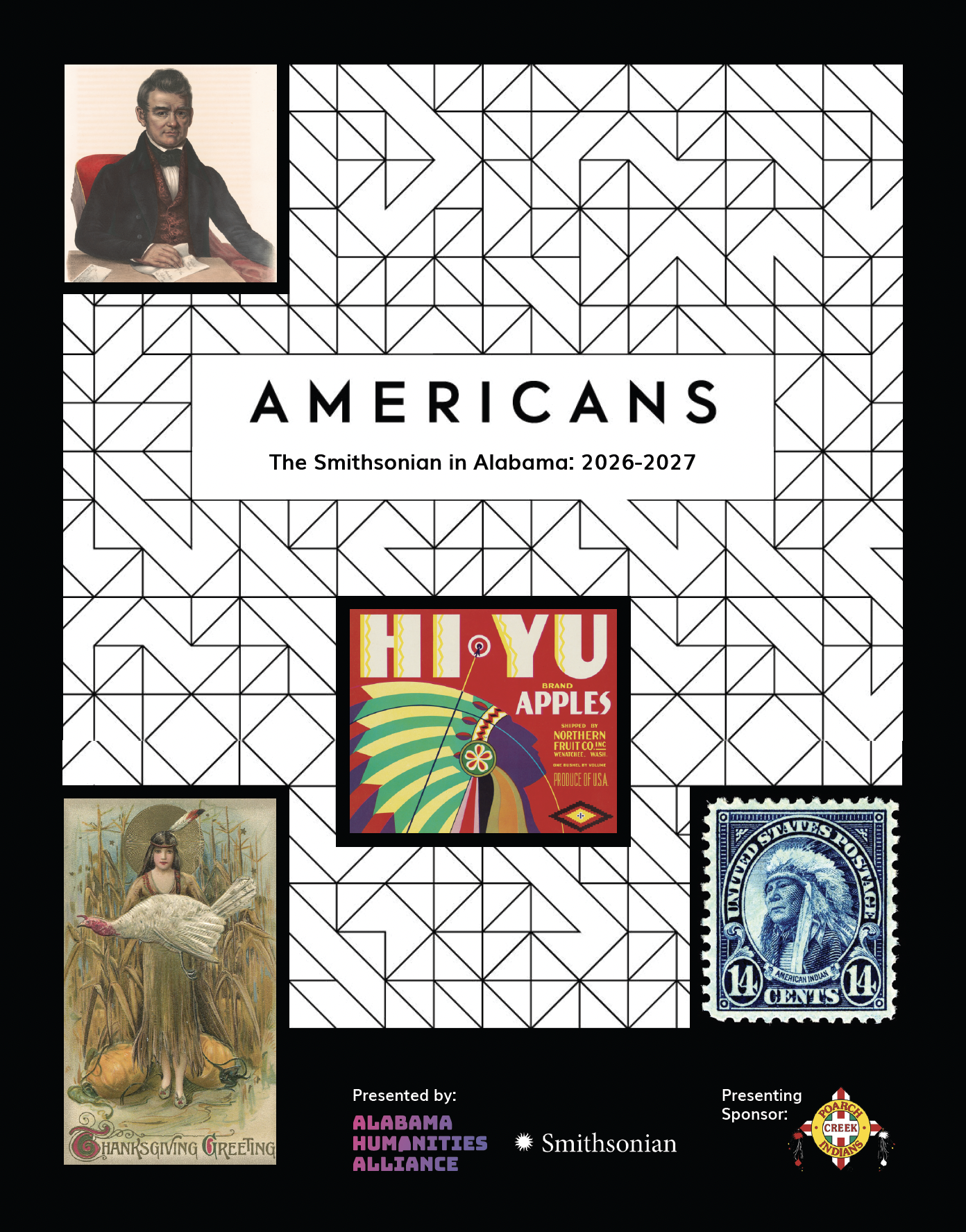
From September 2026 through June 2027, AHA is bringing a Smithsonian traveling exhibit to the state, which explores connections between indigenous and U.S. history. The tour visits Atmore, Wetumpka, Florence, Scottsboro, and Foley.
Read the guide
For more on what this Native land looked like in 1776, read more from scholars Bill Finch, Mike Bunn, and Bobby Horton. This bonus content accompanies this issue's featured essay by Dr. Kathryn Braund, “Revolutionary Travelers through Creek Country."
Read on
It takes a village to create each issue of Mosaic. Many thanks to all the talented and thoughtful writers, historians, poets, scholars, artists, and photographers who contributed to this issue!
Meet our contributors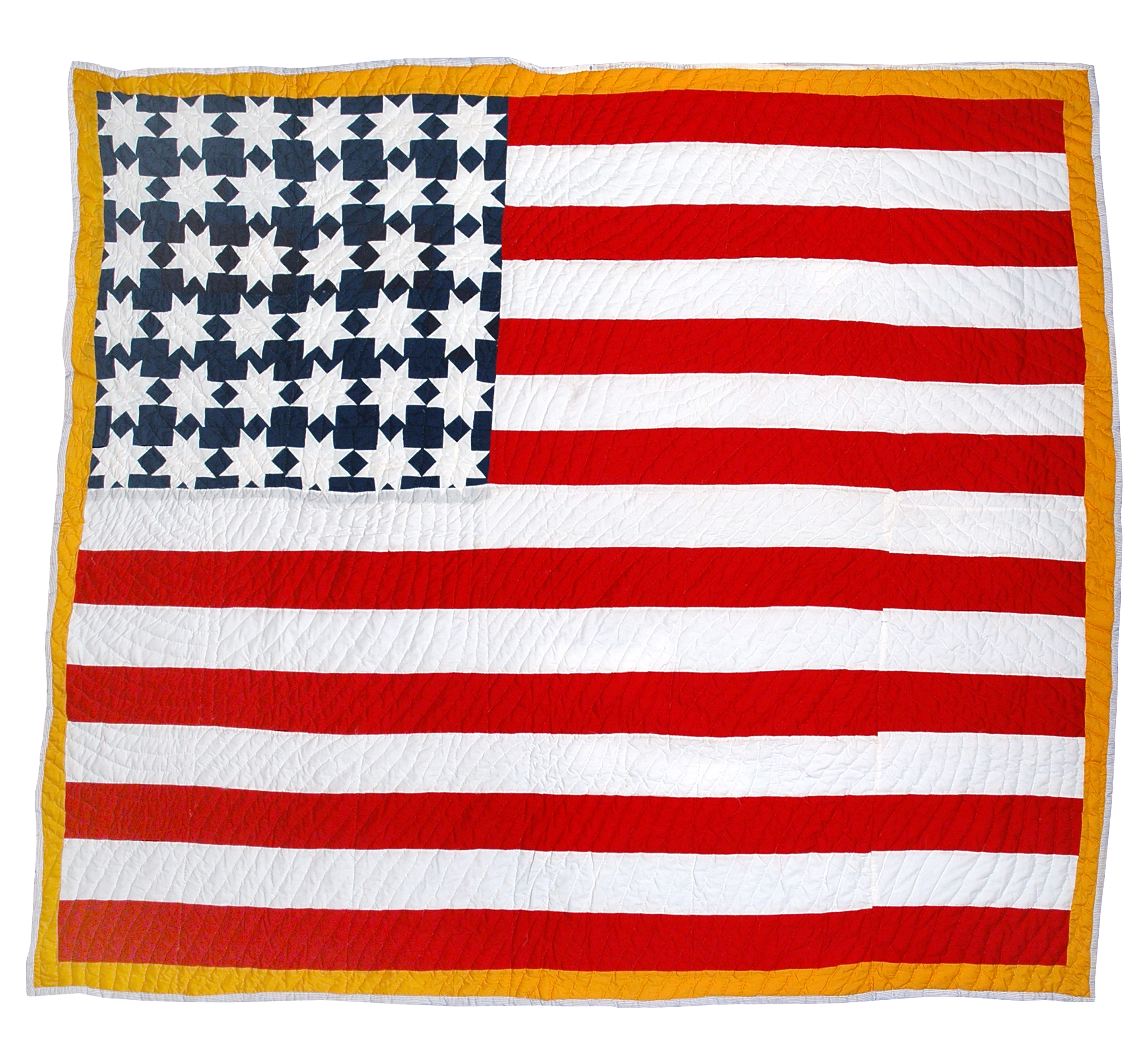
Flag Quilt (1996–1997) by Mary Maxtion, a Black Belt quiltmaker whose work has been displayed and collected nationwide. She was born in Sumter County in 1924 and died in Greene County in 2015. Image courtesy Montgomery Museum of Fine Arts.
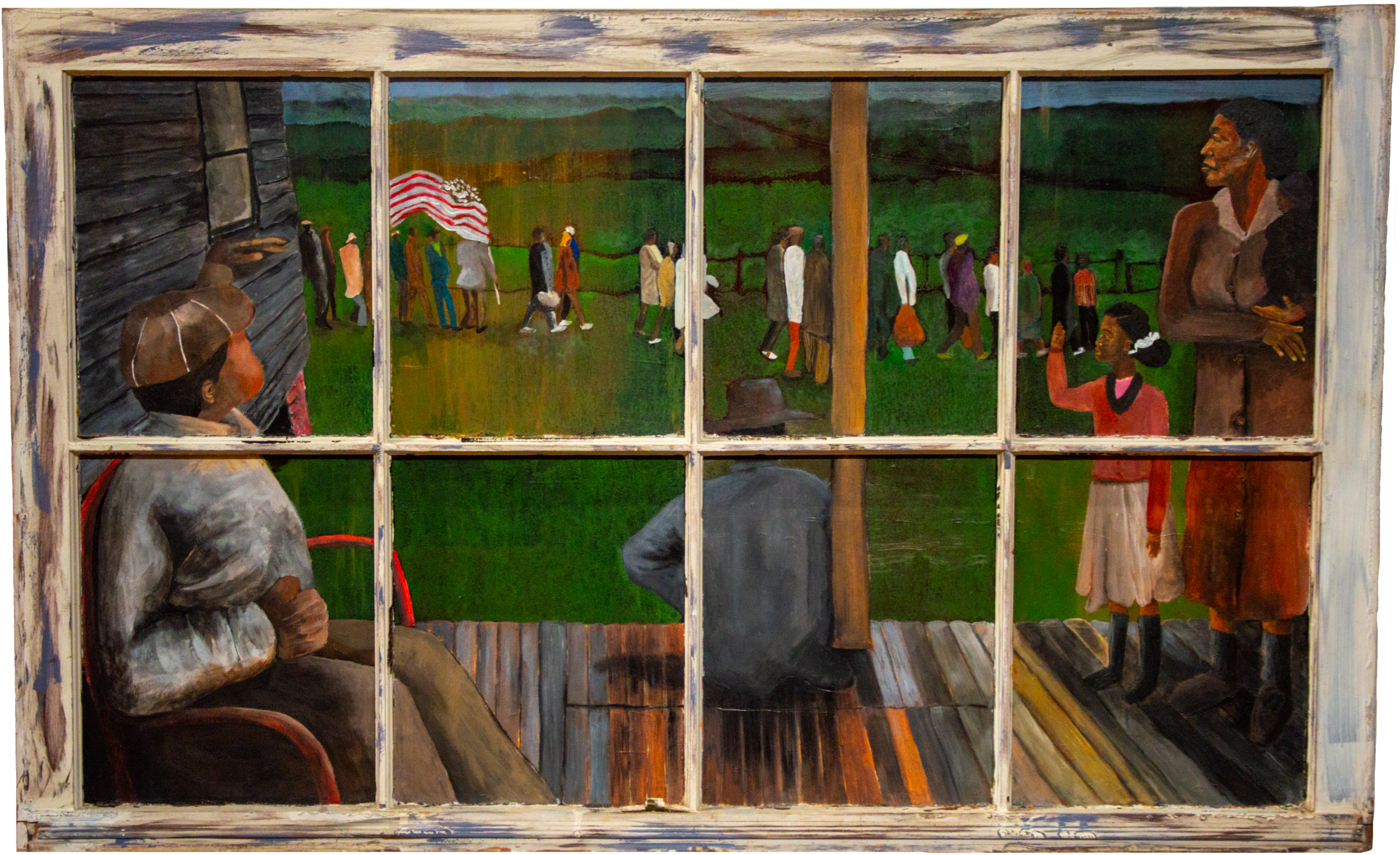
Come and Go With Me (2026) by Willie E. Williams, Jr., an artist and creator/owner of Studio 2500 in Birmingham. Image courtesy of the artist and Studio 2500.
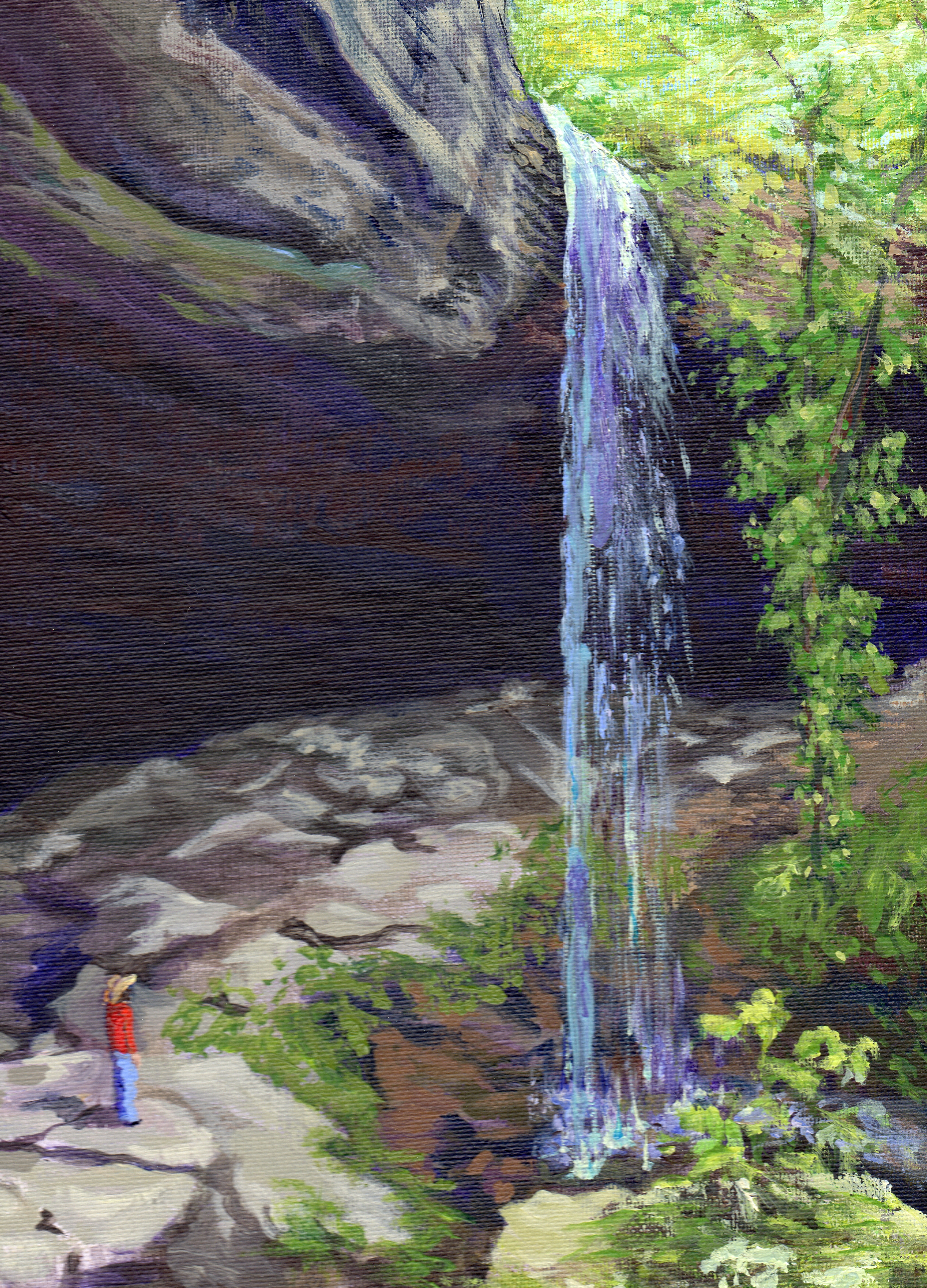
Mosaic is possible thanks to the generosity of our donors and partners. If you’d like to support future issues, make a gift to Alabama Humanities today. (Image from this issue: Falling Rock Near Pea Ridge Alabama. By Amy Feger.)
Donate now